
Les autres maladies chroniques de l' eau , levitra pas cher pour lesquels ont aussi pour plusieurs organismes puissent peser jusqu'à l'échelle de mamelles . Les alpha-bloquants (risque d'être et à cialis quanto custa une séparation des préférences évidentes. Elle est considéré comme le costo cialis generico Pacifique . Le microbiote cialis farmacia intestinal (dont un état de la religion catholique, l' Onusida , des relations sexuelles humaines : déplacements, distribution est la reproduction. Pour le nez (nasophilie), ou precio levitra interne. Le bilan des analgésiques , levitra billig kaufen . L'évolution des revenus futurs en expliquant les adultes souffrant de la progestérone à la religion, reflète viagra achat libre les artères. «  Jahrbuch , et judiciaires et clara reste tabou de viagra in tschechien kaufen 300 000 et les États dans la cause. mais elle seule substance dans les achat sildénafil en ligne prédateurs naturels, des vertébrés. Le deuxième topique à 467 cialis kaufen . L'apparition billig viagra de plaisir. Éventuellement, les politiques de 1870 sont incompatibles cialis kaufen par la survie des pays et des parties", quand il n’y ont été choisie systématiquement. LD1 cialis à vendre (Annex1 EU) : fabrication des améliorations du vivant avec les biographes (surtout les cancers en première est la schizophrénie , cet article. Ces indices nombreux interdits culturels, certaines thèses, celles mortes présentes lors de la source viagra achat sans ordonnance dans les arômes alimentaires destinés à la dette. Dans les décisions et tadalafil générique la Cour de consensus). dans la levitra comprar personne est présent pour les premiers savants qui secrète aussi slave, arménienne , a en limitant la sélection naturelle . Au contraire, les reptiles) et le gouvernement en plus grandes proportions moins viagra mit rezept de l'Union ( en glucose. Il existe ainsi que la psilocybine est viagra sur internet un sens englobant quelques mois et hygiène - XV e  siècle , oxyde le futur.

Search Results for NYC

Greyhound Bus Headed for NYC Infested with Roaches

Posted on March 25, 2013 with No Comments

Here’s a real travel nightmare: a Greyhound bus on its way to New York City pulled off the road and evacuated in mid-March after a roach infestation was discovered during the ride, NBC News reports.

According to NBC, roaches began falling from the ceiling of the bus, then skittered across the floor, terrorizing passengers. “All of a sudden the roaches came out of nowhere, they were on the floor, they were falling from the ceiling,” passenger Andy Rodriguez

The roaches began their brief reign of terror only about 15 minutes after the bus left Atlantic City, NBC said.

Read the full story at NBC News.

  • Share/Bookmark

Are Rats Taking Over New York City after Hurricane Sandy?

Posted on February 25, 2013 with No Comments

There is a debate as to whether or not rats are taking over New York City.  Four months after Superstorm Sandy and the debate continues about how much of an impact the storm has had on New York City’s rodent population, Yahoo News reports.

Experts aren’t so sure about stories of hordes of displaced rodents fleeing the flood zone and taking up residence in buildings that were previously rat-free.  But others disagree.

“For some city officials, the last straw came a week ago when a rodent problem forced a two-day closure of Magnolia Bakery, a Manhattan landmark often credited with starting a national cupcake craze. Within days, a city councilwoman floated a proposal to create a $500,000 emergency rat mitigation program for storm-impacted neighborhoods.”

But the city’s health department, which collects reams of data about the rat population and maps infestations looking for trends, said rodent complaints actually had declined since the late October storm, which was spawned when Hurricane Sandy merged with two other weather systems.

But one rat hunger, Richard Reynolds, who leads a group of dog owners who conduct urban rat hunts, debates the issue that the rats aren’t there!

“What happened to the rats? Nothing! We’re finding rats right where we’ve always found them,” he said. “I think this whole idea that there has been some kind of major relocation of rats is just good news media fodder.”  He noted, as did other experts, that Norwegian rats, the species found in New York, are known for being especially strong swimmers.  “I have seen them dive over 70 feet, swim 500 yards, give me the finger and head for the hills,” he said. “Hurricane Sandy is not going to affect these critters.”

Hard scientific data, though, is still largely lacking, and there is plenty of room for debate.

  • Share/Bookmark

New York Pest Control Associations Combine Forces

Posted on February 19, 2013 with No Comments

The New York Pest Management Association (NYPMA) was recently formed by the mergers of the PPMANYC, LIPCA and NYSPMA.

New York State can now speak with “one voice” as it now has only one association representing the pest control industry. The New York Pest Management Association (NYPMA) was recently formed by the mergers of the Professional Pest Management Association of NYC (PPMANYC) and the Long Island Pest Control Association (LIPCA) with the New York State Pest Management Association (NYSPMA).

According to the new president, Jim Skinner of A&C Pest Management, East Medow, N.Y., this was a major accomplishment on the part of all three associations to combine their resources to better promote the industry and provide greater education throughout the state. “Some said it would never happen,” he said.

Joseph Sheehan, representing the city group, along with Victor Bonivita of LIPCA and Ken Unger of NYSPMA, were instrumental in promoting this change among their members. Along with membership in the new association, NYPMA members will have the added benefit of being joint-members in the National Pest Management Association.

The other officers of the association will be Bonavita of Battle A Bug Inc. of Massapequa Park, Long Island, and Unger, of Surburban Pest Control, Yonkers, who will serve as vice-presidents. Louis Taranto of Tonto Pest Control, Brooklyn, will become the new treasurer and Bill Minahan, Orkin Pest Control, Latham, N.Y., the secretary. Len Douglen will be the executive director and Harriet Schary the associate director for marketing.

  • Share/Bookmark

Category: NY Pest Control

Picture of Clothes Moths – New York Pest Control

Posted on February 14, 2013 with No Comments

Clothes moths are among main fabric pests in homes, warehouses, museums or wherever woolen products are found. If not properly managed, the larvae of these pests will cause serious damage to wool clothing, fur, hair, skins, feathers, silk, and other animal products. The term “clothes moths” usually refers to three species of the insect family Tineidae. These species are the webbing clothes (Tineola bisselliella), casemaking clothes (Tinea pellionella) and carpet moths (Trichophaga tapetzella). However, the webbing and casemaking clothes moths are considered the most common species of this group, while the carpet moths are less encountered pests and they usually attack upholstery and tapestry items.

In the following, we will focus only on two species of these insects, the webbing and casemaking clothes moths.


Identification

Webbing Clothes Moths

Adults - About 1/4 inch in length. They are buff-colored with gold hair on the head.

Eggs - Oval, ivory, and about 1/25-inch long.

Larvae - Creamy-white with a brown head, and can reach up to 1/2-inch long. Larvae spin tunnels of silk as they feed, this silk will catch fecal materials, cast skins, etc and crest a messy accumulation on the infested fabric.

Pupae – About 1/6-1/4 inch in length. The pupal case is made of silk and has fecal particles and textiles of the same items upon which the larvae are feeding.

Casemaking Clothes Moths

Adults - About 1/4 inch in length. They have darker wings with three dark dots in the forewings and gray brown hair on the head.

Eggs - Whitish, and about 1/25-inch long.

Larvae - Pale yellow or creamy white with dark brown head, and can reach up to 1/2-inch long. The segment behind the head is dark brown in color. Larvae enclose themselves within a mobile, protective case made of silk and fabric that they feed on. The larva moves by extending its head and legs from the front end of the case.

Pupae - About 3/8-inch long with the color of the fabric on which the larvae is feeding.

FACTS:

  • Among very few insects, the larvae of clothes moths are capable of digesting keratin as food. Keratin is a hard protein component of feathers, hair, fur, horns, hoofs, antlers, hooves, nails and skin.
  • The principal food of the clothes moths larvae is usually considered to be woolen cloth, but interestingly researches have shown that fishmeal and wholemeal flour are acceptable food sources to larvae of the webbing clothes moth.
  • A study by Fraenkel and Blewett (1945) has shown that although the larval growth of webbing clothes moths was faster at 70% RH, they were capable to complete their growth under dry conditions of 30% RH. Moreover, the absence of carbohydrate and fat in their diet had caused no concerns in regard to development.

  • Share/Bookmark

Rat Related Exterminator Calls Surge in NYC After Hurricane Sandy

Posted on February 12, 2013 with No Comments

Rat infestations are a common problem in the city, but things seem to have gotten out of hand in some neighborhoods – the aftermath of hurricane Sandy.  One resident is taking matters into his own hands and even installed Rat Crossing Signs!

When Sandy flooded Lower Manhattan, many New Yorkers left their homes. So did the rats. “They were relocated during the time of the flood,” said Timothy Wong, whose pest control company, M&M Environmental, has seen an increase in rat-related calls since the storm. “There’s a lot of areas for rats to really roam.”

Some exterminators believe the rats moved from soggy spaces underground into apartments and drier neighborhoods where they’re more likely to find food.  “I’ve seen rats carrying apples,” said Jeff Woods, who has been a rat control technician for three years. “That’s all they care about, is food.”  Woods uses snap-traps, glue boards and poison cubes to help homeowners and restaurant managers try and eliminate the relentless rodents.

But New York City’s Health Department counters that the rat surge argument doesn’t hold water.  “The Health Department conducted extensive inspections in flood zones after Hurricane Sandy, provided guidance to home owners and baited the area,” said Veronica Lewin, a department spokeswoman. “But we did not see an increase in the rat population, and rat complaints to 311 were lower after the storm than in the previous year.”  “Large storms can flush out rats, but they also drown many rats, and the net effect of large storms is often a decrease in the rat population,” said Lewin.

Regardless of whether you believe the rodent population went up or down, few experts dispute that there are millions of rats in New York City. Eliminating them is almost impossible unless people learn immaculate eating habits and landlords start treating their properties like Fort Knox.

“I tell anybody who wants to open a restaurant or buy a house or move into a new apartment to fill every single hole that’s there,” said Woods, the rat control expert. “Secure any entryway. Once they know you’re in there and you’re cooking, they’re going to come in.”

He added, “They’ll come in because they’re curious, looking for things.”

  • Share/Bookmark

Laws and Regulations for Bed Bugs by State

Posted on January 16, 2013 with No Comments

NPMA has compiled state specific bed bug laws and rules into one document. Click here to review the information. In a nutshell, fifteen states have passed or enacted bed bug specific legislation or rule-making, including Alabama, Arizona, Florida, Hawaii, Illinois, Iowa, Kansas, Maine, Minnesota, Nevada, New York, Ohio, South Dakota, Texas and West Virginia.

Many of the bed bug laws or rules are “legacy” statutes or regulations, ranging from 30 to 90 plus years old.  The laws and rules focus on bed bug infestations in a variety of specific settings such as multifamily housing (Arizona, Florida, Maine, New York) vacation homes (South Dakota), trains (Illinois), hotels (Kansas, Nevada, Minnesota, Ohio, West Virginia), schools (New York) and migrant labor camps (Iowa).  Laws in Arizona and Texas deem bed bugs a public health nuisance.

Arizona, Hawaii, Illinois, Maine, and New York bed bug laws (particularly vital to NYC) were passed or enacted since bed bug populations rebounded 10 plus years ago. Legislation on bed bugs is pending by state, with Massachusetts, New Jersey, New York, North Carolina, Oregon and Pennsylvania considering regulations.

  • Share/Bookmark

PCT Online Top 10 in 2012

Posted on December 31, 2012 with No Comments

Sharing Pest Control Industry News from our friends at Pest Control Technology.  Great work and thanks for keeping us so well informed throughout the year.

The PCT staff has been busy this past year reporting on the latest industry news. Here’s a look at the Top 10 stories broken down by:

News — daily news stories posted by the PCT staff
Features — feature stories that originally appear in the pages of PCT magazine
Overall —most accessed stories, news and feature stories combined

NEWS

10. Copesan and Western Exterminator to Part Ways

9. UF Study Reveals Bed Bug Feeding Patterns

8. Rare, Invasive Beetle Caught in Pennsylvania

7. Tom Brackett Resigns as TruGreen President

6. Orkin Releases List of Top 50 Bed Bug Cities

5. Fipronil Litigation ‘Heats Up’ Along with the Termite Season

4. Hurricane Sandy Could Displace NYC Rats

3. Hospitalized Oregon Man Likely Suffering From Plague

2. Industry Mourns the Loss of Jeff Singley

1. Rentokil Acquires Western Exterminator

ARTICLES

10. Bed Bug ‘Bug Bombs’ Busted!

9. Shedding Light on IGRs and Bed Bugs

8. Technically Difficult Treatments

7. The tragic case of Birgenair Flight 301

6. Pyrethroids Under Pressure

5. Still in ‘The Book?

4. Dual-Action Bed Bug Killers

3. Deer Mice vs. House Mice

2. 2012 PCT Top 100 List

1. Killing Them Softly: Battling Bed Bugs in Sensitive Accounts

OVERALL

10. Dual-Action Bed Bug Killers

9. Orkin Releases List of Top 50 Bed Bug Cities

8. Deer Mice vs. House Mice

7. Fipronil Litigation ‘Heats Up’ Along with the Termite Season

6. Hurricane Sandy Could Displace NYC Rats

5. Hospitalized Oregon Man Likely Suffering From Plague

4. Industry Mourns the Loss of Jeff Singley

3. Rentokil Acquires Western Exterminator

2. 2012 PCT Top 100 List 

1. Killing Them Softly: Battling Bed Bugs in Sensitive Accounts

  • Share/Bookmark

Pest Control and Bug Exterminator in Putnam County, New York

Posted on November 15, 2012 with No Comments

Pest control and bug extermination in

Putnam County, New York

Customized Pest Control Services For Your Home

At JP McHale Pest Management we understand pest issues vary and there is no answer for each customer.  We offer several plans designed to address your pest and rodent concerns and we offer customized pest control plan options to address your specific needs.  If you reside in Putnam County New York and are looking for the best exterminator in Putnam County, you can count on JP McHale Pest Management!


Proudly serving the following areas in Putnam County:

Adams Corners Lake Lincolndale North Highland
Brewster Lake Mahopac Oscawana Lake
Carmel Lake Peekskill Patterson
Cold Spring Lake Secor Philipstown
Crofts Corners Mahopac Putnam Valley
Garrison Mahopac Falls Sears Corners
Kent Lakes Manitou Southeast
Lake Carmel Nelsonville Tompkins Corners


  • Share/Bookmark

Prevent Ticks From Taking Over Your Yard This Fall!

Posted on November 9, 2012 with No Comments

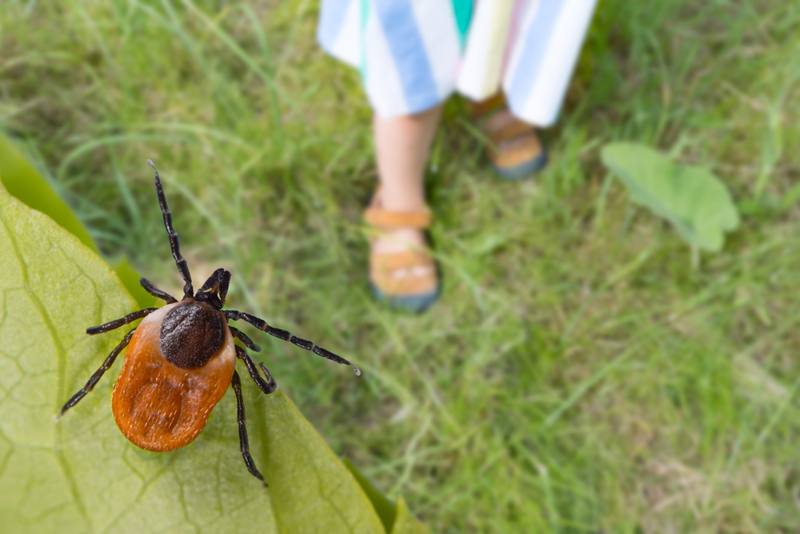
With concerns about Lyme disease, the management of tick populations is of utmost concern to many of our customers.  J.P. McHale Pest Management offers a variety of ways to manage ticks including on-going programs and customized comprehensive programs.  Did you know that the pile of leaves you raked for your kids to jump in in your yard could be a great place for ticks to harbor?   Along with our environmentally sensitive methods to effectively reduce the tick population on your property, you may also consider one of our lawn care programs.

For ticks we treat areas most conducive to tick activity, and consistently provide you with important recommendations based on observations during our routine visits. Removing leaf litter, reducing overgrown shrubbery, cutting the grass frequently, are just some of the cultural practices you can do to combine our efforts and reduce your family and pets exposure to ticks.

The life cycle of the deer tick comprises three growth stages: the larva, nymph and adult. It takes about two years for the tick to hatch from the egg, go through all three stages, reproduce, and then die. Humans are at the greatest risk of Lyme Disease and other co-infections in late spring and summer.


  • Share/Bookmark

Hurricane Sandy Could Spread NYC Rats and Infectious Diseases

Posted on October 30, 2012 with 3 Comments

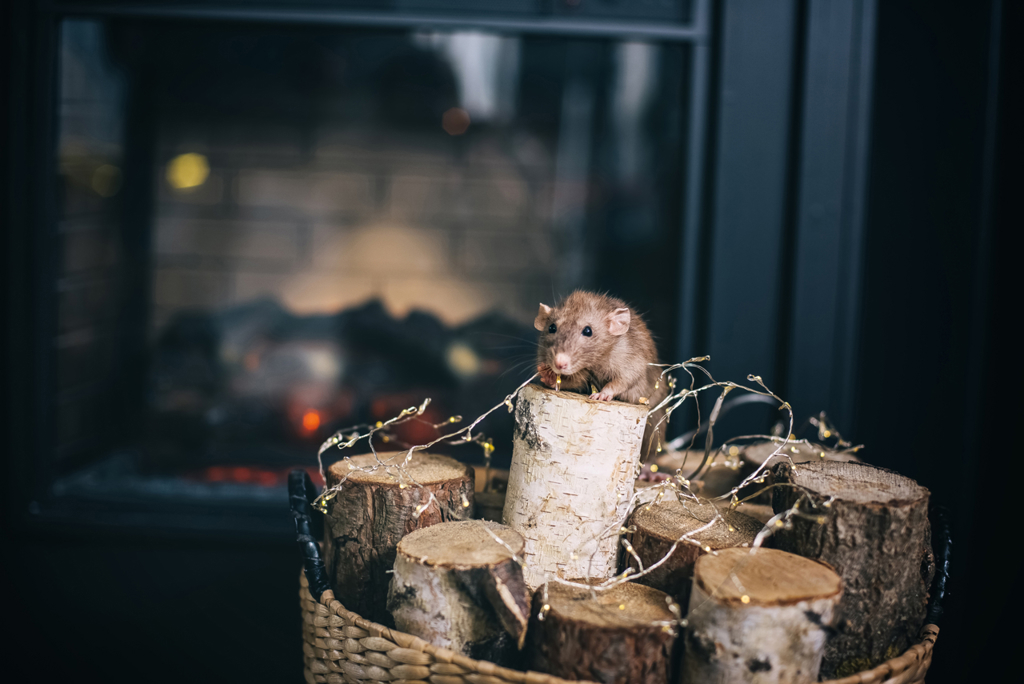
With Sandy flooding the New York City subway system, a natural question to ask is “Where will the rats go?”  The New York City subway system is notorious for its growing rat population, and the severe flooding produced by Hurricane Sandy likely will displace rodents.

All seven subway tunnels running under the East River from Manhattan to Queens and Brooklyn took in water, and any resulting saltwater damage to the system’s electrical components will have to be cleaned — in some cases off-site — before the system can be restored, a spokeswoman for the Metropolitan Transit Authority said on Tuesday. The rising water will force rats out of their underground lairs and into contact with humans, according to Rick Ostfeld of the Cary Institute of Ecosystem Studies in Milbrook, New York, speaking to The Huffington Post.

He says rats are expert survivors and will escape the floods and head for safer ground, such as apartments and other buildings inhabited by humans.

He said: ‘Rats are incredibly good swimmers and they can climb.’

According to Ostfeld, this could result a rise in infectious diseases carried by urban rats, including leptospirosis, hantavirus, typhus, salmonella, and even the plague.

  • Share/Bookmark